

Practical tools
for radical collaboration
Building still in progress, have a look for a tool or some advice.
Prepare
and plan
Things to help you get you started: Informed consent, research planning, workshop design and things to consider when creating collaborative spaces.
Listen deeply
Tools and techniques to support conversations, talking and explaining: Diaries and probes, provocations, cards sorting approaches.
Make magic
Ways of making tangible things explain how things work today or co-create alternatives: Maps, collages, models, mock-ups and lean prototypes.
Push practice
Facilitate fun and get a bit weird by acting out ideas: Role playing and improvisation, games, props and simulations to pressure test thinking.
-
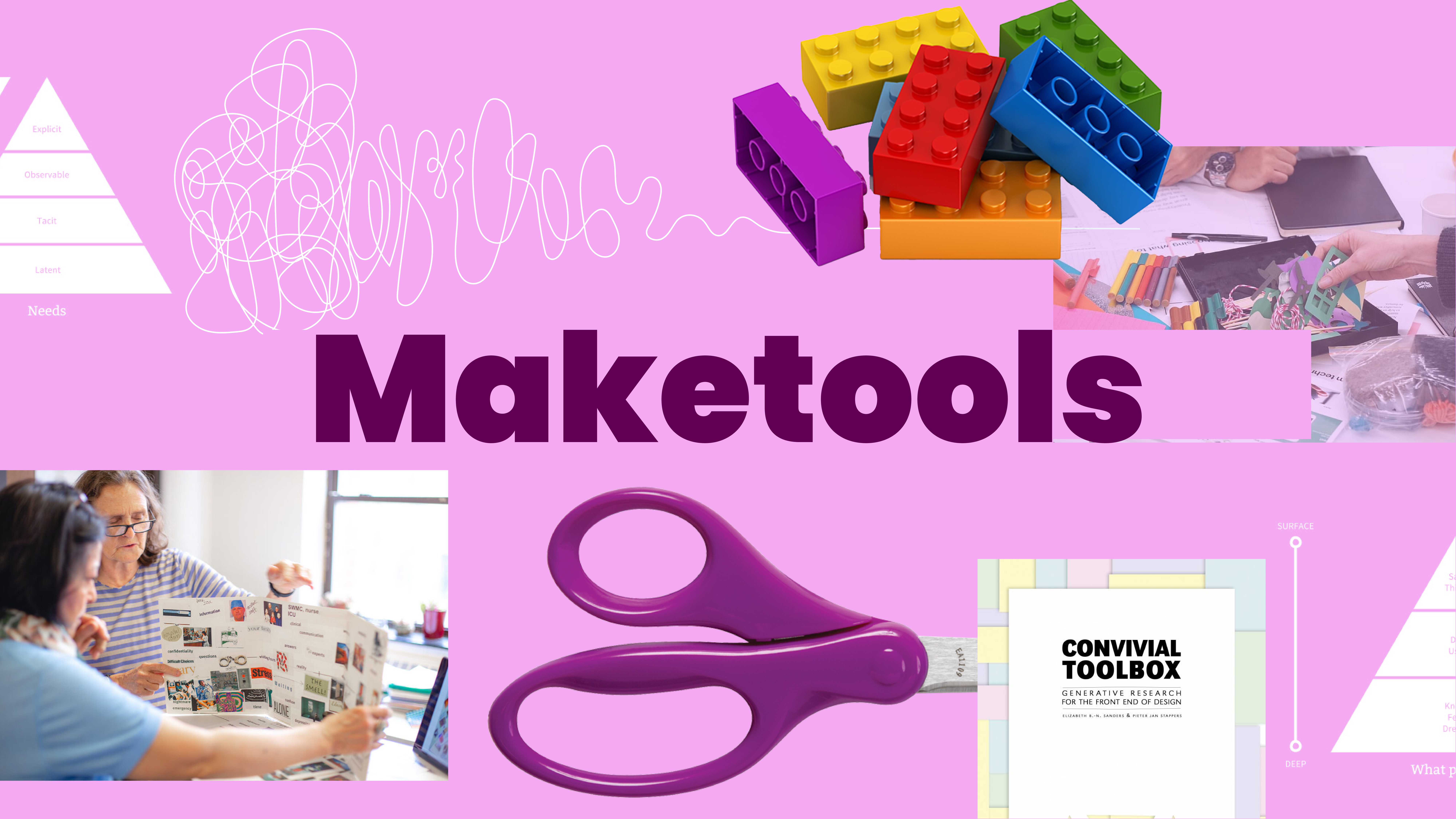
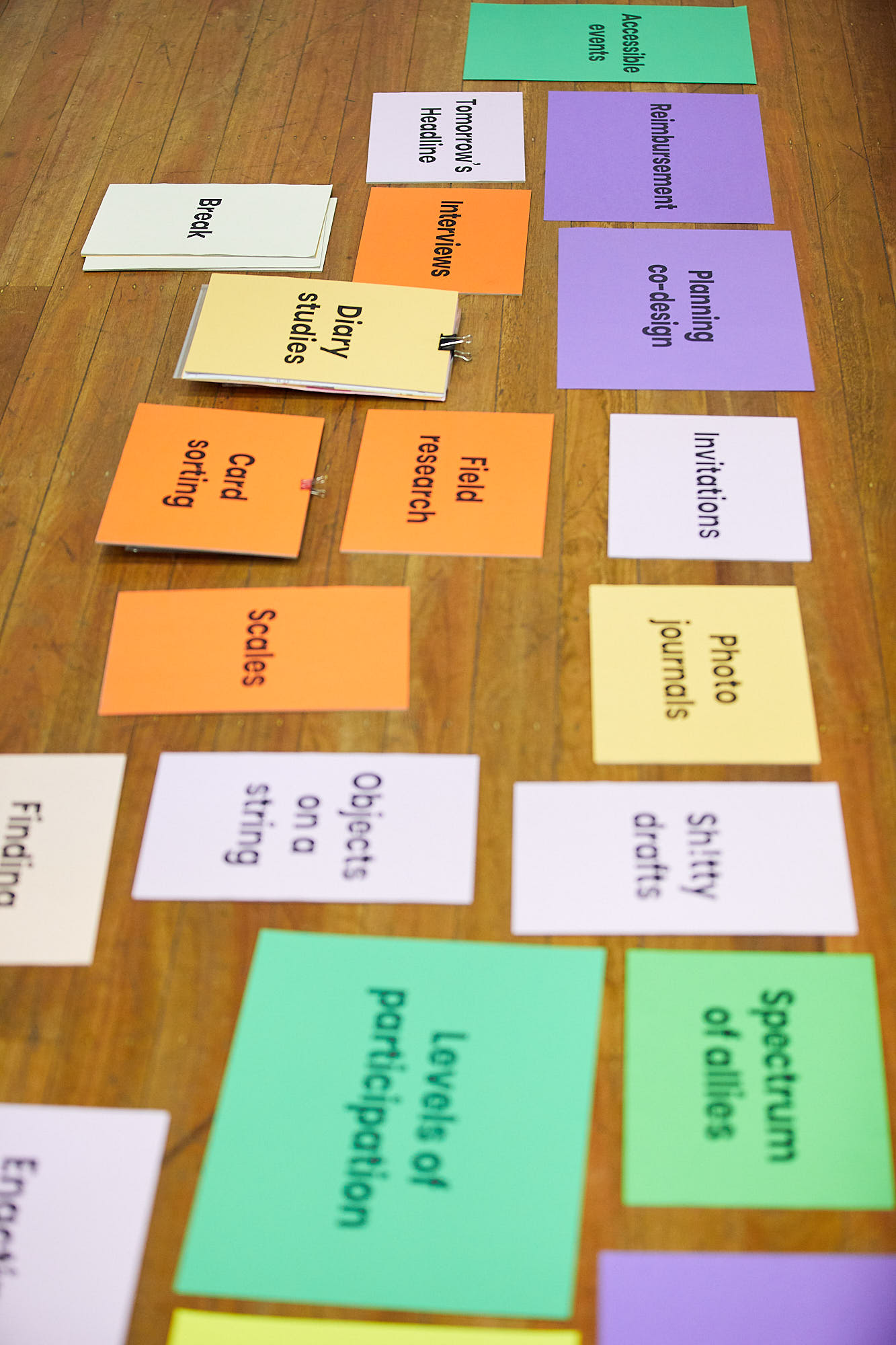
MakeTools are honestly co-design’s secret sauce. Today, maketools typically combine physical objects or digital equivalents that create conditions for a new generative conversation. These generative research techniques spark reflection and ideally (when done well) help anyone – regardless of background or ability – create and communicate experiences or new ideas. Co-design, design research and action-based…
-

Cooperative design, originating in the 1970s in Norway, marked the collaborative effort between designers and researchers to address changing workplace dynamics due to technology. It emphasizes participation as vital for democracy and learning. Key figures and projects illustrate its journey, highlighting the political implications of design participation.
-

I fell into “Co-design or faux design” back in 2018 when nervously presenting to a conference to service designers and researchers who where all apparently co-designing everything. And to put salt on the wound, I also have had a great conversation with Simon Katterl about faux-design dynamics. When I was presenting I suspect: Since then…
-

The Rupture and Repair zines serve as a reflective resource for designers and collaborators in co-design, focusing on the challenges encountered in practice. Through interviews with co-design facilitators, it emphasises ethical practice and professional growth while addressing systemic barriers affecting co-design work to succeed. The zines propose viewing disruptions as opportunities for transformation.
-
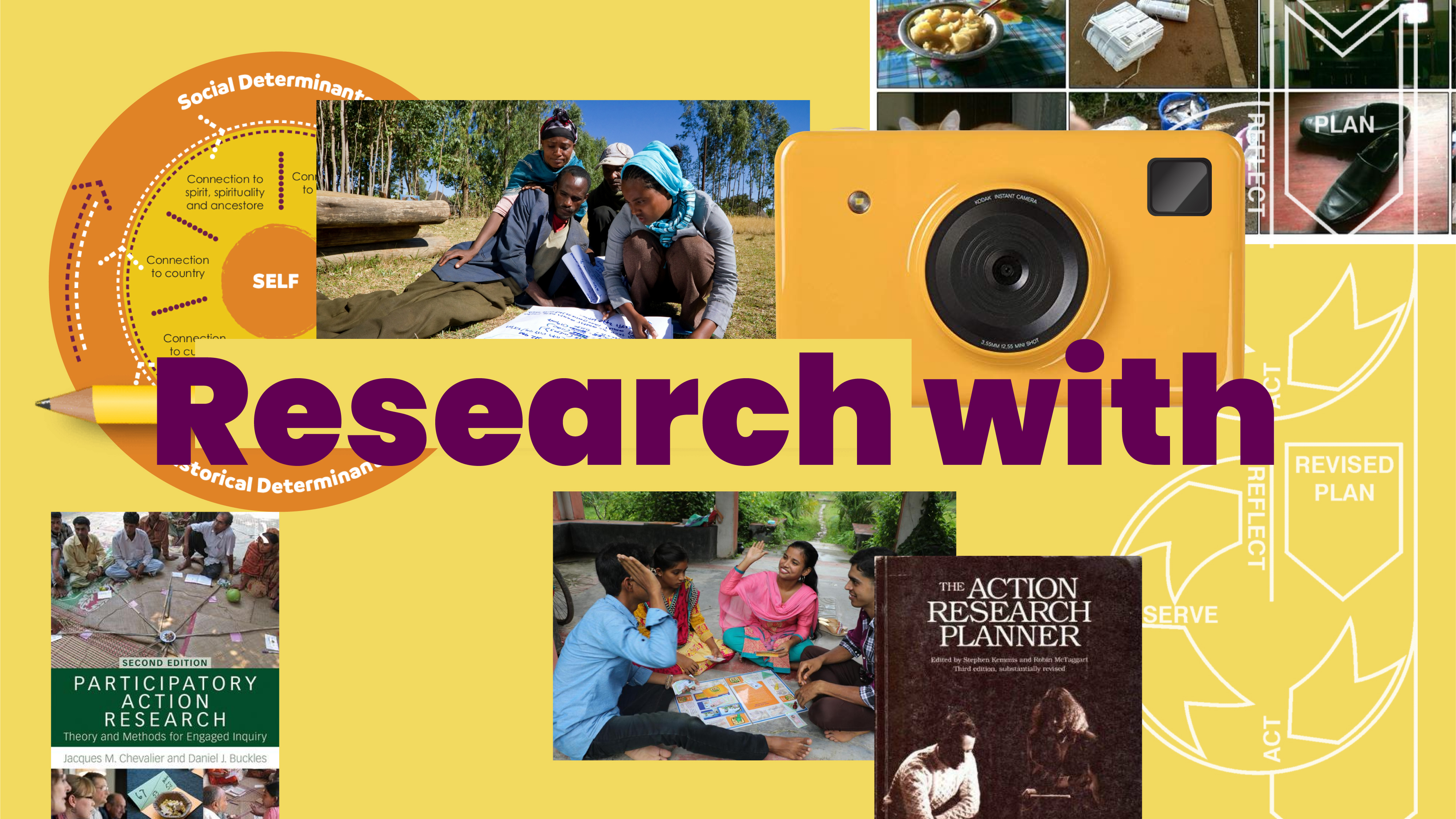
Collaborative inquiry, PAR and social engagement do not come from the world of design, but from sociology, community development, feminist studies and organisational development. They are a series of approaches to research that began emerging in the late 1970’s (at the same time as Scandinavian design) to address the need to evaluate and improve services…
-
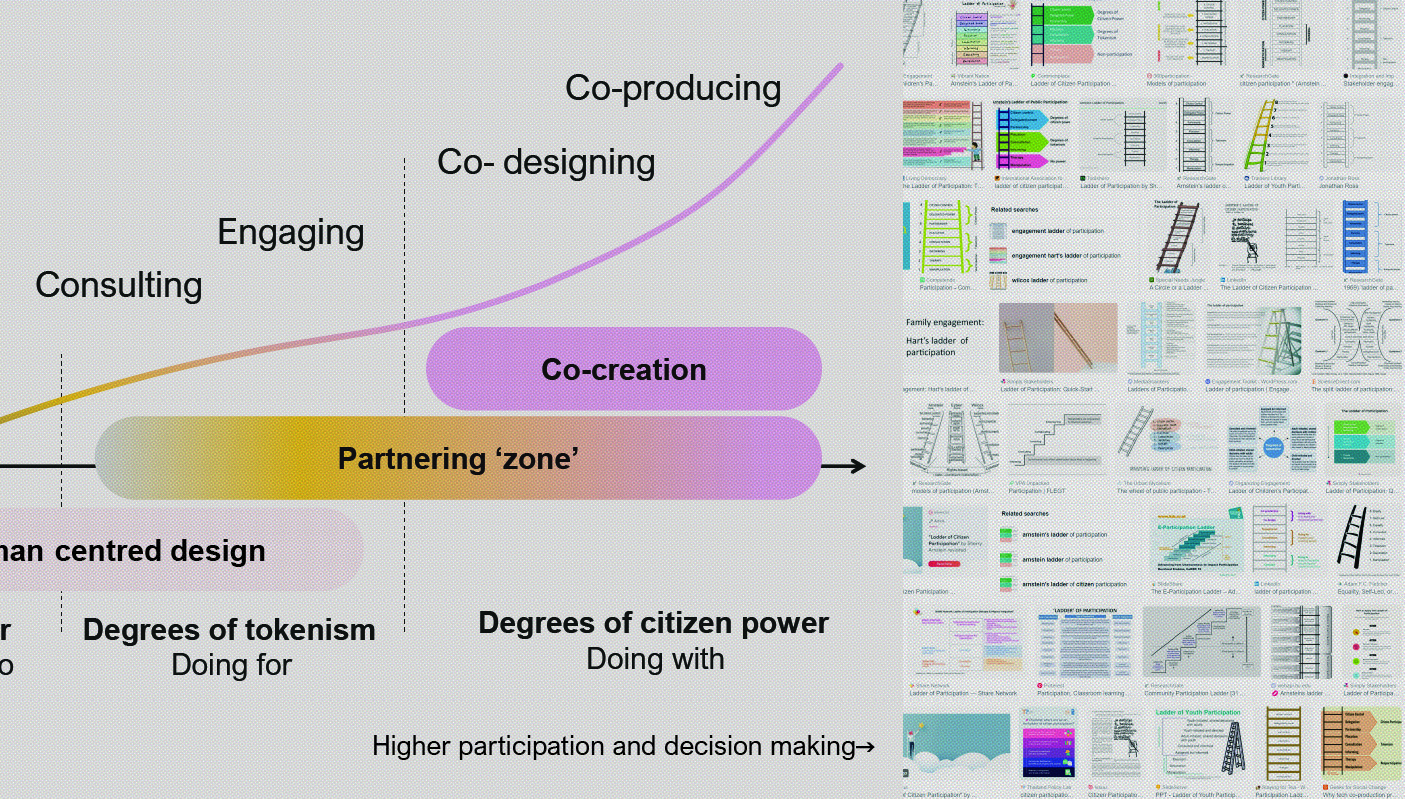
Teams and projects worldwide use the International Association for Public Participation (IAP2) Spectrum to determine their level of participation. The Gradient of Partnering provides a way to assess and improve partnerships, moving away from rigid levels towards a more flexible and practical approach. This tool aims to establish a ‘Partnering zone’ for collaborative decision-making.
-
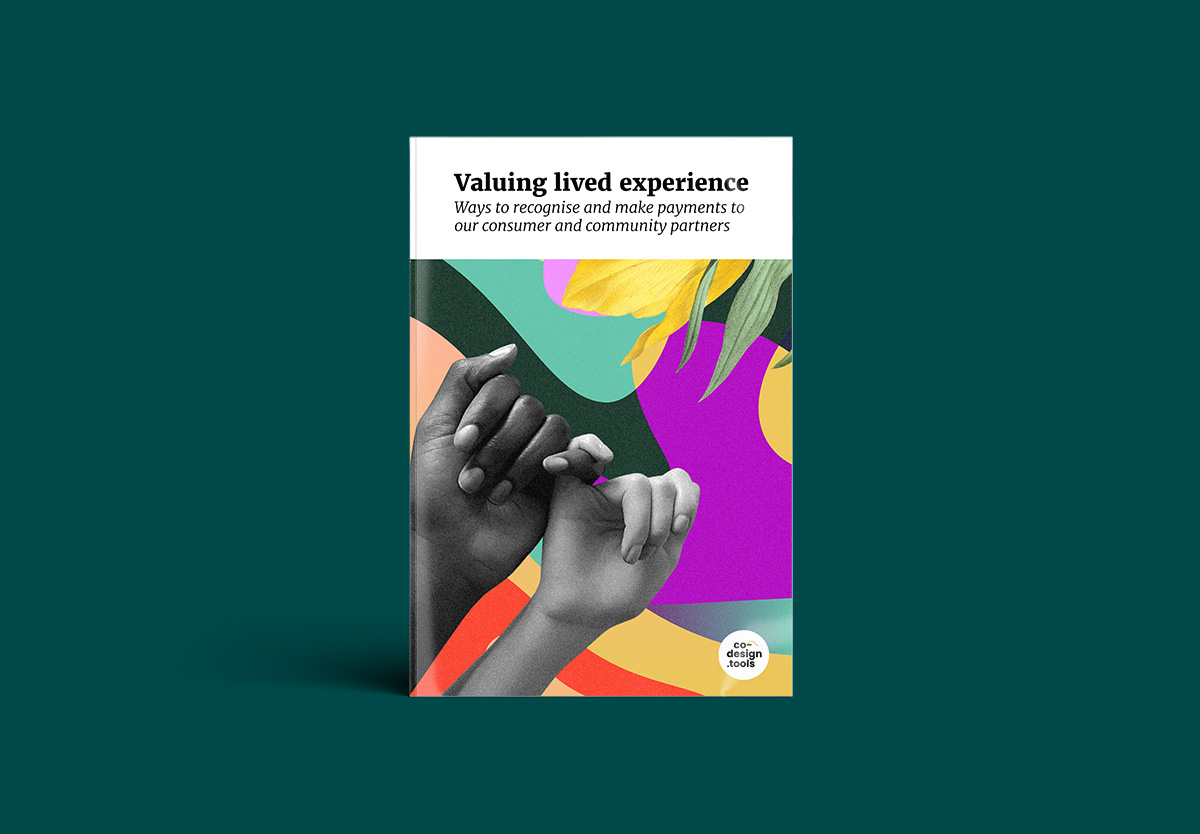
This guide aims to aid Victorian services in implementing partnerships with community members. Offering practical strategies and guidance based on global practices. It caters to health services, government agencies, and organizations engaging with communities, providing insights on recognizing lived experiences and budgeting for engagements. It emphasizes the importance of valuing lived experience and provides resources…
-
The post emphasises thoughtful considerations before initiating a co-design project. It prompts reflection on the team’s readiness, necessary partnerships, support for participants, inclusion of diverse perspectives, and sustainable collaboration. The inquiry extends to resource allocation, participant empowerment, and potential long-term impact.
-

The Spirals and Squiggles diagram, developed by co-design crew at Safer Care Victoria, illustrates the co-design process and its connection to improvement science. The diagram visually depicts key stages, including build conditions, immerse and align, discover and design, design, test and refine, and implement and learn, using color-coded lines. It is based on various visual…
-
This week I’ve been listening to the Collaboratory podcast Laying the foundations for co-creation (32:52). It had wonderful guests like Emma Blomkamp, Michelle Halse, Rebecca McNaught and Antti Pirinen. Credits: Hosts: Maya Haviland, Nicole Deen, Audio Engineer: Nick McCorriston In many ways it reflects many of the thoughts that swish around in my mind as…
-
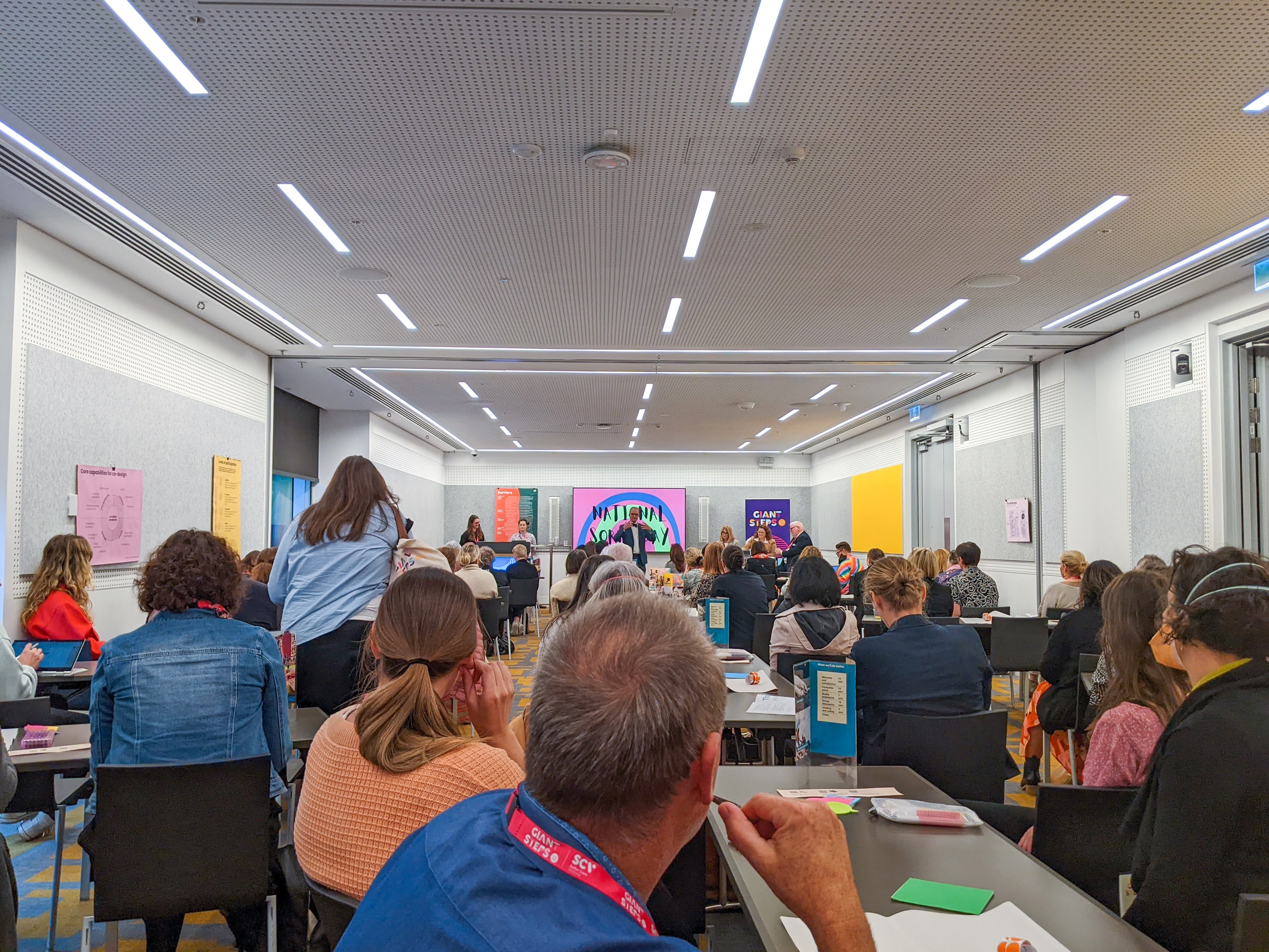
On 26th of May 2022 we hosted an interactive learning session at Giant Steps Co-design : the power of collaboration. What did we do? We have a fun, jam packed session for you today that is centred around having fun, learning by doing and aims to build your interest and curiosity around co-design and partnering.…
-

Design for All (DfA) emphasises creating accessible products and services for everyone, regardless of age or disability. Influential activists like Jim Charlton and Judy Heumann promoted inclusive design, urging individual participation. Incorporating lived experience in DfA fosters equitable solutions, making environments usable and welcoming for diverse populations, ultimately supporting social justice and collaboration.
Based in Naarm (Melbourne) Australia
We acknowledge the Traditional Owners of country throughout Australia and recognise their continuing connection to land, waters and culture. We pay our respects to their Elders past and present. First nations people self-determination is a human right and recognises the hard work of many generations of Aboriginal people who have fought for this right to be upheld. 💖💛🖤 Always was and always will be aboriginal land
We acknowledge the context within which we gather. We meet at a time when the human species is having an unprecedented impact on the planet. It is important to recognise the unearned advantages or opportunities we may experience solely based on our identity or background. With empathy and love we acknowledge the privilege we have and commit to using it to support in solidarity with others who face systemic barriers.